Vulnerability Scanners: 20 Years of Evolving Cyber Defense
"If the moment we type a password disappears, will our data finally be safe?"
As digital landscapes shift from static defenses to automated, living ecosystems, the focus of security has moved from merely building walls to mastering constant diagnosis.
This evolution, driven by the rise of cloud computing and mobile connectivity, changes everything about how we protect our digital lives.
* The Birth of Scanning: How security began as a simple search for digital cracks. * Expansion and Acquisition: The shift toward mobile and cloud-integrated security. * Modern Defensive Core: Why proactive diagnosis is now more critical than passive blocking.

How do we stop an intruder when the castle walls are constantly changing?
At midnight in the dim office, a weary analyst rubs tired eyes while watching the flickering blue light of the monitor.
The office is dark, save for the rhythmic, blue flicker of a high-resolution monitor reflecting off a tired face. It is 11:00 PM on a Tuesday, and a security analyst rubs their eyes after a grueling twelve-hour shift, scanning through endless lines of server logs.
Every morning, the ritual is the same: checking for traces left by last night's intruders and looking for the microscopic gaps that haven't been patched yet. Whether it was twenty years ago or in 2026, the fundamental weight of responsibility remains identical.
In the early days, security was akin to building high stone walls and deep moats. The goal was purely perimeter-based: keep outsiders out through physical and logical barriers.
However, as we reached an era where billions of IoT devices are connected globally, those walls became incredibly wide, thin, and difficult to defend.
This reality gave rise to the concept of vulnerability assessment. It is the process of finding the cracks in our own walls before an adversary does. Companies like Rapid7 built their legacies by specializing in this exact science—the art of finding the fracture.
Modern security is no longer just about blocking entry; it is about knowing exactly where the entry might happen before it does.

How are vulnerability scanners evolving to find the holes before they are exploited?
Inside a quiet, climate-controlled server room, a developer types a command, and thousands of data points begin to scroll rapidly across the screen.
In 2026, a high-end security scanner analyzes 50,000 packets per second, constantly questioning whether a specific port is open or if an outdated operating system version makes a network vulnerable.
Early security tools were narrow, focusing on finding flaws in specific pieces of hardware or a single software package. As networks grew more complex throughout the 2020s, the focus shifted from individual devices to the vulnerabilities created by the connections between them.
Rapid7 established its presence by refining these scanning technologies. They moved beyond simply saying, "This door is unlocked," to providing context, such as, "If someone enters through this door, the entire corporate network is at risk."
This technical evolution allows security teams to move from chaos to order, helping them decide which of a thousand alerts requires immediate attention.
But as the scope of these scanners expands, they hit a new, much more unpredictable obstacle.
Is the borderless battleground mobile and cloud? On a crowded commuter train, passengers sit shoulder-to-shoulder, each staring into a handheld smartphone. In the 2026 rush hour, travelers move through high-speed 5G and 6G networks, constantly exchanging data. Someone checks a corporate email, while another scrolls through social media.
These small devices are no longer just personal tools; they are mobile terminals carrying the lifeblood of corporate data.
The security perimeter is no longer confined to the four walls of an office building. An employee's smartphone, their home router, and a remote cloud server are all part of the same interconnected web. This shift created a massive challenge for security firms.
Rapid7 responded to this by expanding its scope, including the acquisition of mobile security firms to integrate endpoint security with network security.
In an era where physical boundaries have evaporated, the security of an individual device and the network it connects to must be treated as a single, unified front.
Security has transformed from a question of "where do we defend?" to "how do we track the data flow?"
| Feature | Traditional Security | Modern Security (Rapid7 Style) |
|---|---|---|
| Primary Goal | Intrusion prevention and perimeter defense | Vulnerability identification and continuous monitoring |
| Scope | Internal networks and local servers | Cloud, mobile, IoT, and remote work environments |
| Response Style | Reactive (after an incident occurs) | Proactive (data-driven diagnosis and prevention) |
| Core Tools | Firewalls and basic antivirus | Vulnerability scanners, SIEM, and EDR |
Will data and automation shape the future of defense? Walking through the aisles of a massive data center, the hum of cooling fans competes with the rhythmic blinking of thousands of LED lights signaling data movement. In 2026, data centers process terabytes of information every second.
It is physically impossible for a human to manually analyze every single log entry.
The two pillars of modern security are visibility and automation. You must be able to see every device connected to your network and understand exactly what data is moving through it. Furthermore, when a vulnerability is detected, there must be an automated system capable of responding instantly.
Looking at the history of security technology, every advancement leads back to a single point: using data analysis to predict and respond to threats.
However, even with perfect automation, the human element remains the greatest variable.
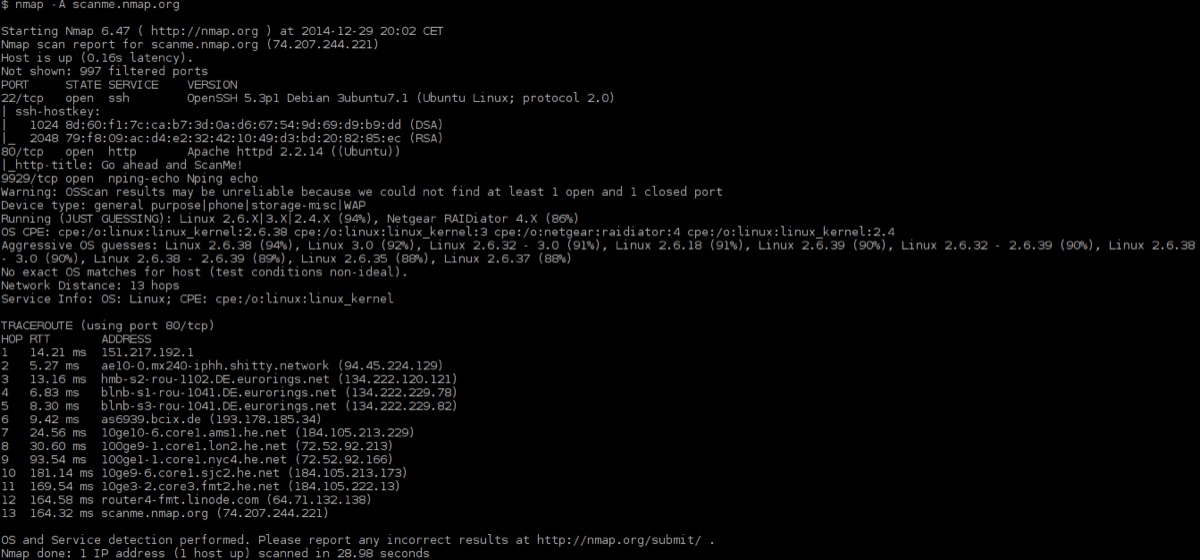
A 4-Step Checklist for Systematic Security Management
Security is not a "set it and forget it" task. In the complex environment of 2026, businesses and individuals must follow a continuous cycle to maintain their defenses.
- Inventory Everything: Maintain a 100% accurate list of every device connected to your network, from smartphones and laptops to smart lightbulbs and IoT sensors.
- Scan Regularly: Perform vulnerability scans at least once a week to identify new digital cracks.
- Prioritize Risks: Out of the hundreds of vulnerabilities found, focus your immediate energy on the 5% that pose the highest risk of data breach.
- Patch and Update: Apply security patches within 24 hours of discovery, or implement temporary workarounds if an immediate patch is not possible.
A Note of Caution: Tools Are Not Magic
Simply installing a security solution does not make you invincible. A tool is merely a weapon that helps you fight better; it is not a magic wand that guarantees victory.
The most dangerous moment is the second a team begins to believe, "Our system is safe because we use a top-tier security solution." Security is a living, breathing entity. New vulnerabilities are discovered daily, and attack methods evolve to mock yesterday's defenses.
When I first started looking into network management, I remember thinking a single firewall would solve everything. I quickly learned that a single mistake in a configuration file could bypass every defense I had built.
Furthermore, misconfiguration can be just as dangerous as a hack. Settings that are too strict can kill productivity by 20% or more, while settings that are too loose essentially invite intruders in. The expertise of the person operating the tool is just as important as the tool itself.








Comments 0