Security Guide: Protect Your SNS Account Data 95
"The digital footprint we leave behind is often more permanent than any physical record, turning a single oversight in a privacy menu into a lifelong vulnerability."
Securing your social media accounts is the primary defense against identity theft and unauthorized data access. This guide covers essential privacy management, the role of simulation tools in awareness, and how personalized software handles individual needs.
Key takeaways: 1. Understanding that privacy needs vary by individual. * Using simulation tools to increase privacy awareness. * Recognizing the importance of personalized privacy preferences.
Why does SNS account security importance matter for everyone?
At midnight, a cold sweat breaks across my forehead as I stare at the screen, realizing my lack of SNS account security has left my entire life exposed.
A user sits at a desk, staring at a profile page where every personal detail is visible to the public. They realize that a single leaked password could compromise their entire digital identity.
The necessity of SNS account security importance stems from the fact that digital information is easily harvested by malicious actors. When settings are left at default, users often expose sensitive data that can be used for social engineering or identity theft.
Maintaining strict control over who sees your posts and personal details is the first step in preventing a total breach.
The vulnerability of an account often depends on how much information is shared openly. Without proper management, your digital life becomes an open book for anyone with an internet connection.
How can simulation tools help with SNS privacy setting guide?
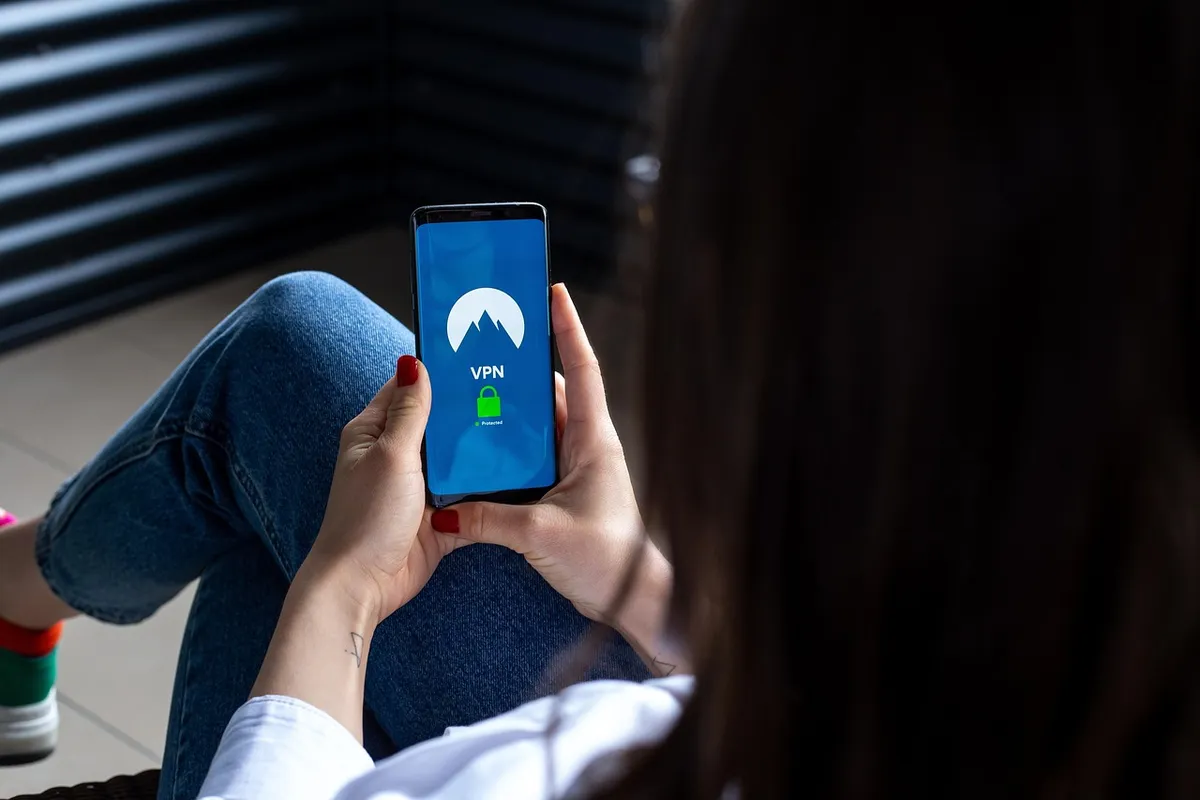
A student uses a software simulation to practice managing their social media presence in a controlled environment. They navigate through various privacy menus to see how much information becomes visible to strangers.
A SNS privacy setting guide can be effectively reinforced through interactive learning. According to a study, 95% of participants that used the simulation tool believed that this tool would help increase Facebook privacy awareness.
This suggests that hands-on practice can bridge the gap between knowing a setting exists and knowing how to use it effectively.
Using these tools allows users to test their defenses without risking actual data. This practical experience builds the muscle memory needed to navigate complex privacy menus in real life.
How do we handle different levels of SNS account protection tips?
Late at night in my dim office, I squint at the glowing monitor while I carefully adjust each layer of my account security.
An individual adjusts their settings to hide their location while keeping their profile photo visible to friends. They understand that different settings serve different purposes depending on the platform.
Effective SNS account protection tips involve a layered approach to security. While some users may want to remain completely anonymous, others may want to share specific details with a trusted circle.
Because of these varying needs, a one-size-fits-all approach to security often fails to protect the most vulnerable data.
Effective protection requires constant vigilance and regular audits of account permissions. Checking your settings every few months ensures that new features or third-party apps haven't compromised your privacy.
Why is personalized software used for Secure SNS profile settings?
A developer works on an algorithm designed to scan a user's profile and suggest specific privacy adjustments based on their unique habits. The goal is to automate the tedious process of manual setting updates.
The shift toward automated tools is changing how we view data protection. For instance, the AID-S (Adaptive Inference Discovery Service) personalizes each user's privacy preferences since what is considered private information varies from each individual.
This level of customization ensures that the technology adapts to the human, rather than forcing the human to adapt to rigid protocols.
Personalization is key because privacy is subjective. What one person considers a public detail, another might consider a deep personal secret.
| Tool Type | Primary Function |
|---|---|
| Simulation Tool | Increases privacy awareness |
| AID-S | Personalizes privacy preferences |
I found that using simulation tools helped me understand exactly where my mistakes were before I applied those lessons to my real accounts.

A limitation of automated privacy software is that it may not account for the specific social context of a user's real-world relationships.
- Why does SNS account security importance matter for everyone?
- How can simulation tools help with SNS privacy setting guide?
- How do we handle different levels of SNS account protection tips?
The same subject is also called Prevent SNS data leaks.
This part also covers Why SNS security matters.
This part also covers Avoid SNS identity theft.
This part also covers Protecting SNS personal info.
Why SNS security matters
Related
- Remote work network checklist: Guide to secure home office
- App permission security: Guide to protect your privacy
When is a digital footprint most vulnerable?
The digital footprint becomes most vulnerable when a user fails to maintain strict control over shared information. If default settings are maintained, the account is susceptible to malicious harvesting of sensitive data.
This lack of proactive management invites identity theft attempts against the user.
Maintaining a strong digital footprint defense requires acknowledging that information shared online is rarely truly private. The openness of the account dictates the extent to which it can be exploited by those with internet access.
Therefore, the initial defense against a breach lies in rigorous management of account visibility settings.
Wikipedia: 2020 United States federal government data breach (full) Based on the retained excerpt mentioning The Senate Armed Services Committee: The Senate Armed Services Committee's cybersecurity subcommittee was briefed by Defense Department officials.







Comments 0