AI social media security guide: How to defend your profile
"The digital landscape is shifting faster than our ability to secure it, leaving personal data vulnerable to automated threats."
An AI social media security guide provides the necessary framework to protect your digital identity against increasingly sophisticated automated attacks.
This guide covers essential defense layers, from multi-factor authentication to proactive monitoring, to ensure your profile remains under your control.
Key takeaways include implementing automated threat detection, understanding the importance of privacy settings, and utilizing advanced authentication methods.
How can an AI social media security guide protect my profile?
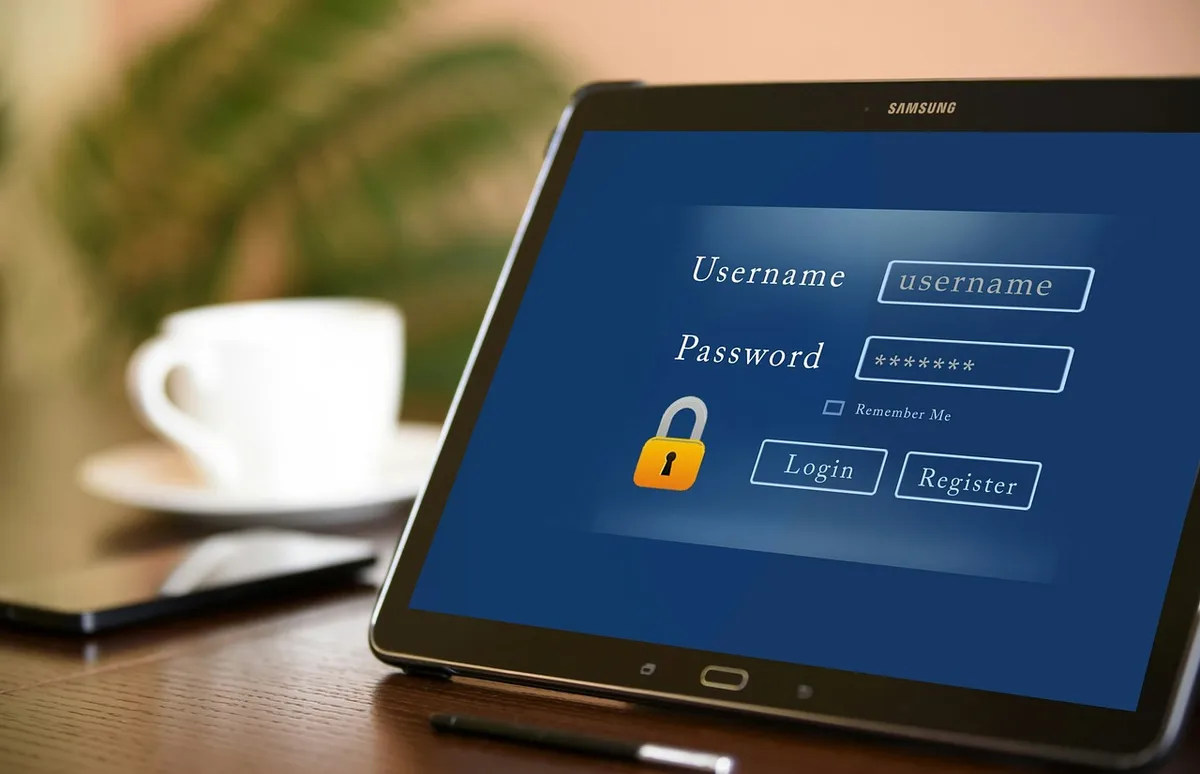
As the sun sets over the quiet balcony, I grip my phone tightly, feeling the sudden chill of a social security alert flashing on the screen.
A user sits at a desk, watching a login attempt notification flash on their smartphone screen. Protecting a digital identity requires understanding how automated systems can both threaten and defend your presence.
An AI social-media security guide helps users navigate the complexities of modern digital threats by providing structured defense layers. By understanding how automation works, you can better prepare for automated phishing or identity theft attempts.
An effective AI social media security guide focuses on proactive defense rather than reactive cleanup. Using these strategies allows you to maintain a secure digital footprint against various intrusion methods.
An AI social media security guide acts as a strategic blueprint to identify vulnerabilities and automate defenses against sophisticated digital threats.
What should be in my AI social media security guide? In the dim light of the home office, I squint at the flickering monitor while tracing the complex pillars of a social security framework.
A person stares at a screen filled with suspicious activity logs, trying to identify a pattern. Establishing a baseline for normal activity is the first step in recognizing an anomaly.
The core of an AI social media security guide involves three distinct pillars: identity verification, automated monitoring, and data privacy. Each pillar addresses a different vector of potential intrusion.
Identity verification ensures that only authorized users can access the account. Automated monitoring uses algorithms to flag unusual login locations or times. Data privacy settings restrict what information is visible to external scrapers.

Key components include threat detection protocols, automated credential management, privacy setting audits, and incident response plans.
How do I implement an AI social media security guide?
A hand reaches for a laptop to adjust privacy settings before a scheduled meeting. Implementing these steps ensures that your security posture is updated regularly.
To properly apply an AI social media security guide, follow these three steps:
- Enable multi-factor authentication (MFA) using an authenticator app rather than SMS to prevent SIM-swapping attacks. 2. Review and tighten privacy settings to limit the amount of personal data available to automated scraping bots. 3. Set up automated security alerts for every login attempt or change in account credentials.
After completing these steps, perform a final check by attempting a test login from a secondary device to ensure your alerts trigger correctly. I found that checking these settings monthly helps maintain a consistent defense.
- Conduct a comprehensive audit of your current privacy settings and account permissions.
- Integrate AI-driven tools to monitor for unusual login activity and suspicious content.
- Establish a routine schedule for updating security protocols and reviewing access logs.
What are the limits of my AI social media security guide? A user looks at an empty inbox, wondering if their security measures are too restrictive or if they have missed a subtle threat. Understanding the boundaries of technology is vital for realistic expectations.
An AI social-media security guide is not a silver bullet for all digital risks. While it strengthens your defenses, it cannot prevent social engineering attacks where a user is tricked into voluntarily giving away access.
The limitation of any automated defense is that it relies on the user's initial configuration and awareness. If the underlying account credentials are compromised through physical access or extreme social engineering, even the best automated tools may struggle to intercept the breach.
Limitations include the potential for false positives, the risk of over-reliance on automated tools, and the fact that no guide can fully eliminate human error or social engineering attacks.
How do I manage profile with AI tools?
A person navigates through a complex dashboard of security settings on a tablet. Managing a digital persona requires constant vigilance and the right tools.
You can manage profile with AI tools by integrating third-party security applications that scan for leaked credentials. These tools act as a secondary layer of defense.
Using these tools helps you maintain a proactive stance. If you manage profile with AI tools regularly, you can identify vulnerabilities before they are exploited by malicious actors.
Managing a profile with AI tools involves using automated monitoring to flag unauthorized changes and utilizing intelligent password managers to maintain high-entropy credentials.
Can I use proactive security settings to prevent breaches?
A traveler checks their phone while waiting at an airport, ensuring their connection is secure. Proactive measures can stop an attack before it reaches your primary data.
Yes, you can use proactive security settings to build a robust defense. This includes setting up "allow-lists" for trusted devices and locations.
When you use proactive security settings, you reduce the attack surface available to hackers. This strategy ensures that your digital life remains private even when using public networks.
Yes, enabling multi-factor authentication, setting up real-time activity alerts, and restricting third-party app access are effective proactive measures to mitigate breach risks.
Wikipedia: Serbian Progressive Party Based on the retained excerpt mentioning Republic Electoral Commission: According to the preliminary results adopted by the Republic Electoral Commission on 26 October, the SNS-led list won 39.17% of the vote and 104 seats, while the Student List won 52.71% and 140 seats, an absolute majority.
Related
- SNS Security Guide: How to Audit Account Settings Best
- How do platform-specific rules affect Social Media Safety?
What is the role of the digital landscape in security?
The current digital landscape presents a dynamic environment where security measures must constantly adapt to evolving threats. The speed of change in this digital landscape necessitates advanced defense mechanisms to maintain control over personal data.
- The automated threats targeting your profile are part of this rapidly shifting digital landscape. 2. Successfully navigating this digital landscape requires the proactive measures outlined in the security guide.
How does the digital landscape affect my defense strategy?
The digital landscape dictates the scale and sophistication of the defenses required for your account. Because the threats are automated, the defense must also be automated to keep pace with the current digital landscape.






Comments 0