How do we implement a Home office security audit?: 55 hours
"The digital workspace is no longer confined to a single office desk, but it carries the same vulnerabilities as physical borders."
Effective 2025 Remote Work security requires a proactive approach to data integrity, network stability, and personal health boundaries. This guide covers essential digital hygiene, legal protections, and risk mitigation strategies for distributed teams.
Key takeaways include managing workload health, understanding international labor protections, and addressing evolving cybersecurity threats.
How can we manage 2025 Remote Work security?
At midnight in the dim living room, I tighten my grip on the mouse to implement new firewall protocols.

A professional sits at a laptop in a quiet corner, checking firewall settings before opening a sensitive file. They realize that digital safety is not just about passwords but about the entire environment.
Securing a home office involves more than just software updates; it requires a holistic view of how data travels from a private residence to a corporate server.
This 2025 Remote Work security plan must account for both technological defenses and human behaviors that could compromise sensitive information. A solid strategy involves securing hardware, managing access, and maintaining constant vigilance against social engineering.
One must establish a secure connection through encrypted tunnels to prevent interception. It is also vital to realize that the number of employers reporting teleworking decreased to the level before pandemic levels, according to a Labor Department study.
This shift means security protocols must be standardized across more diverse and less controlled environments.
What are the risks in a Remote security guide 2025?
An employee glances at a notification on their phone, wondering if the sudden alert is a legitimate update or a phishing attempt. The tension between convenience and safety grows as devices become more interconnected.
A comprehensive Remote security guide 2025 must address the reality that home networks are often less secure than corporate infrastructures.
While a Home office security tips list might suggest using a VPN, the real challenge lies in managing various personal and professional devices on a single router. This intersection of personal life and professional data creates a unique surface for potential breaches.
According to a 2021 report by the World Health Organization and the International Labour Organization, remote work could contribute to increased health risks if it leads to working more than 55 hours per week wherever it would be legal to do so.
This health risk can indirectly lead to security lapses due to fatigue and decreased attention to detail. Maintaining focus is a fundamental part of a Remote security guide 2025.
How do we implement a Home office security audit?
In the dim light of the study, I pace across the floor to implement a checklist for my home office security audit.
A worker walks through their living room, checking the placement of the router and the privacy of their screen from the window. They realize that physical access is the first layer of digital defense.
Conducting a Home office security audit requires a systematic approach to both hardware and habit. Follow these steps to evaluate your current setup:
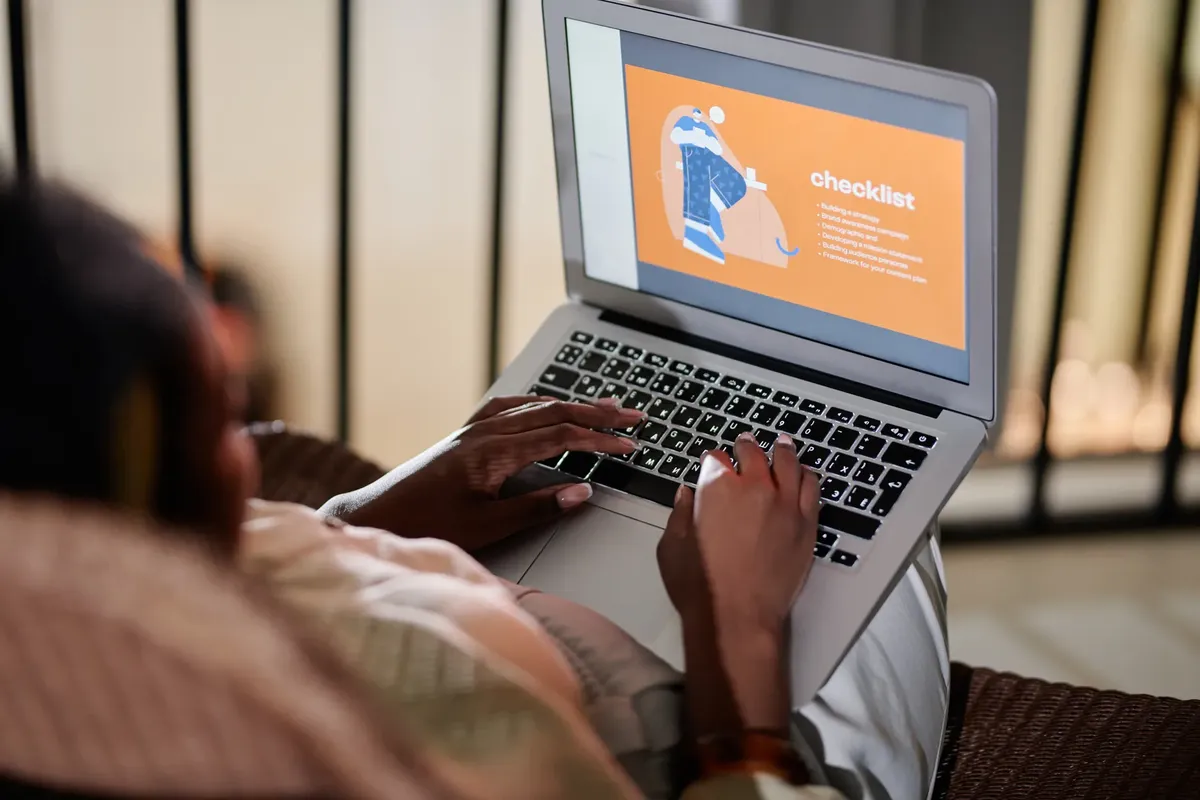
- Audit all connected devices to ensure they are running updated firmware and have unique, complex passwords. 2. Verify that your wireless network uses WPA3 encryption and that the SSID does not reveal personal information. 3. Test the physical privacy of your workspace, ensuring that screens are not visible to visitors or through windows.
After completing these steps, perform a final check to see if any unauthorized devices have gained access to the network. I found that checking my router's connected client list was an eye-opening part of my own audit.
A successful Home office security audit ensures that the transition from physical to digital work remains seamless and protected.
What is the role of a Remote work safety checklist?
A person shuts down their computer at the end of the day, making sure to disconnect all external drives. They are practicing the discipline required to keep data safe.
A Remote work safety checklist serves as a daily ritual to prevent accidental data leaks. This involves regular backups, using multi-factor authentication, and ensuring that sensitive documents are never stored on unencrypted local drives.
It is not enough to set up a system once; it must be maintained through consistent daily actions.
| Action Item | Purpose |
|---|---|
| Multi-factor Authentication | Prevents unauthorized access via stolen credentials |
| Encrypted Backups | Protects against data loss from hardware failure or ransomware |
Using a Remote work safety checklist ensures that even when work becomes irregular, the baseline of security remains constant. This routine prevents the gradual erosion of safety standards that often occurs in home environments.
How do international standards affect a 202cls Remote Security Plan?
A researcher looks up historical labor laws to understand the legal framework of their current employment. They see that rights are often shaped by global agreements.
Developing a 2025 Remote Security Plan requires an understanding of the legal landscape that governs remote workers. While technical security is paramount, the legal protections afforded to workers vary significantly by jurisdiction.
Understanding these nuances helps in managing expectations and responsibilities between the employer and the employee.
In 1996, the Home Work Convention, an International Labour Organization (ILO) Convention, was created to offer protection to workers who are employed in their own homes. This historical context reminds us that the rights of the remote worker are part of an evolving global legal framework.
Integrating these legal realities into a 2025 Remote Security Plan helps maintain a professional and compliant work environment.
What are the limitations of these strategies?

A worker pauses before clicking a link, remembering that no system is entirely infallible. They acknowledge that while they have taken steps, risks still exist.
A major limitation of any security strategy is the unpredictability of human error and the constant evolution of sophisticated cyber threats. Even with a perfect 2025 Remote Security Plan, a single mistake or a zero-day vulnerability can bypass established defenses.
The scope of these strategies is limited by the specific technological and legal environment of the user. For instance, a strategy designed for a single person may not address the complexities of a shared household network or varying international labor laws.
- How can we manage 2025 Remote Work security?
- What are the risks in a Remote security guide 2025?
- How do we implement a Home office security audit?
The same subject is also called Work from home checklist.
Related





Comments 0